The Importance of Electropolishing in the Food and Beverage Industry
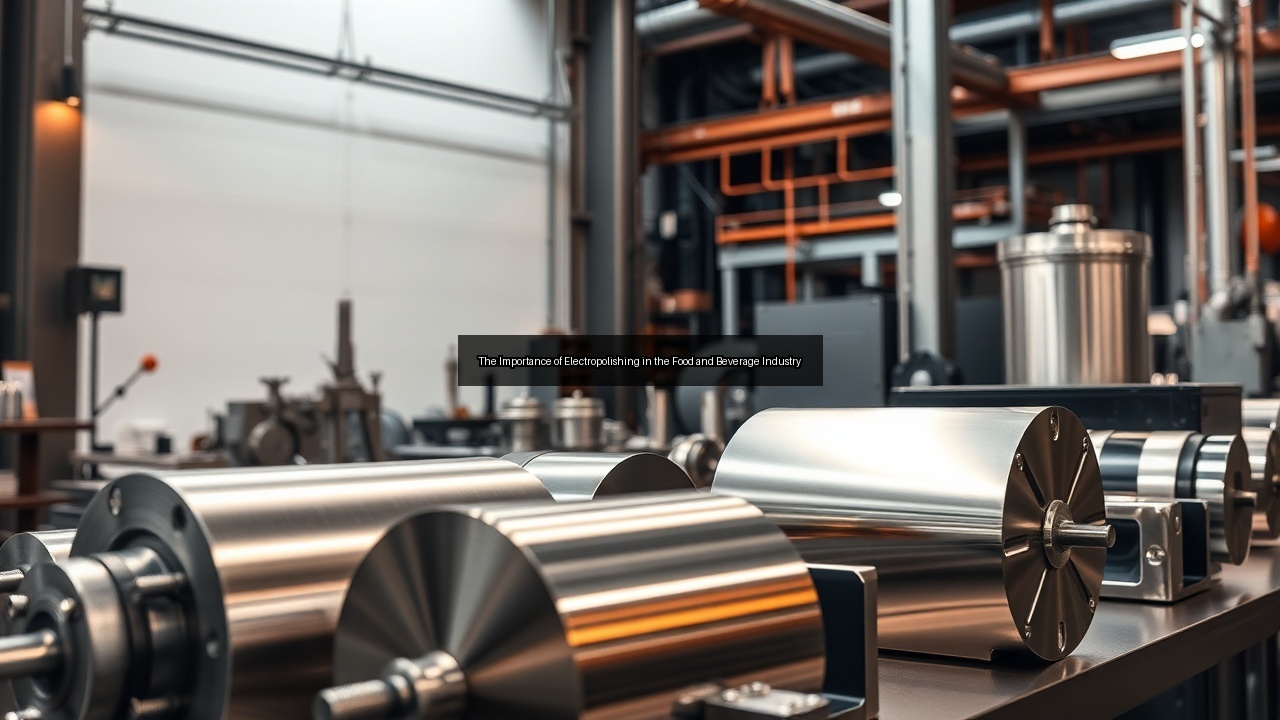
Understanding Electropolishing in the Food and Beverage Industry
What is Electropolishing?
Electropolishing serves as a critical process in various industries, especially in the food and beverage sector. It involves an electrochemical method that removes material from the surface of metals, primarily stainless steel, to enhance its properties. During this process, an electric current is passed through an electrolyte solution, which dissolves the metal's surface while leaving the underlying material intact. This results in a smoother and cleaner surface that significantly improves the performance of stainless steel products. The application of electropolishing stainless steel services guarantees that equipment meets stringent hygiene standards, essential for food processing and beverage manufacturing. By transforming rough, contaminated surfaces into highly polished ones, manufacturers ensure that their products remain safe and compliant with health regulations.
The Process of Electropolishing Stainless Steel
The process of electropolishing stainless steel involves several critical steps. First, manufacturers prepare the stainless steel products by cleaning them thoroughly to remove any contaminants such as grease, dirt, or oxides. This step is crucial because impurities can interfere with the electropolishing results. Once cleaned, the stainless steel components are submerged in an electrolyte solution, typically containing sulfuric acid or phosphoric acid. An electric current is applied, causing the anode (the stainless steel) to lose material and the cathode to gain it. The result is a uniform layer of polished stainless steel, where peaks and valleys on the surface are minimized. This process not only enhances the aesthetic appeal of the metal but also contributes to its functional performance by improving its corrosion resistance and overall durability. Hence, mastering the electropolishing process is vital for manufacturers looking to deliver high-quality stainless steel products.
Key Benefits of Electropolishing for Food Safety
The benefits of electropolishing extend far beyond aesthetics; they play a pivotal role in ensuring food safety. First and foremost, electropolished surfaces exhibit significantly improved corrosion resistance. This trait is essential in food processing environments where equipment frequently encounters moisture and acidic substances. The smooth surface created through electropolishing minimizes crevices and pits where bacteria can thrive, thus reducing the risk of contamination. Additionally, the process enhances the metal's resistance to oxidation, further preserving its integrity over time. Electropolishing also facilitates easier cleaning, as contaminants have fewer areas to adhere to. This aspect is crucial for compliance with health regulations, as it allows food and beverage manufacturers to maintain a hygienic environment. By utilizing electropolishing stainless steel services, companies not only meet safety standards but also enhance their brand reputation as providers of safe and high-quality products.
Importance of Electropolishing for Stainless Steel Products
Enhancing Corrosion Resistance in Stainless Steels
Corrosion resistance is a critical property for stainless steels, especially in industries like food and beverage. Electropolishing enhances this characteristic significantly. The process removes microscopic imperfections from the surface, which can act as initiation points for electropolishing services corrosion. By refining the surface finish, electropolishing promotes a more uniform and higher-quality layer of chromium oxide on the stainless steel. This oxide layer is crucial because it acts as a protective barrier against environmental factors that contribute to corrosion, such as moisture, oxygen, and various chemicals. Specifically, stainless steel grades like 316L benefit greatly from electropolishing due to their higher nickel and molybdenum content, which enhances their resistance to pitting and crevice corrosion. Manufacturers investing in electropolishing stainless steel services not only improve the longevity of their products but also reduce maintenance costs associated with corrosion-related damages. This investment pays off in terms of operational efficiency and product reliability.
Achieving Superior Surface Finish with Electropolishing
The surface finish of stainless steel products directly impacts their performance and appearance. Electropolishing delivers a superior surface finish that is smooth and reflective, eliminating any surface imperfections that might exist after traditional machining or fabrication processes. This superior finish not only enhances the visual appeal of a product but also plays a vital role in its functionality. For instance, smoother surfaces are easier to clean, reducing the likelihood of bacteria growth and ensuring compliance with health regulations. Additionally, an improved surface finish contributes to better fluid flow characteristics in piping and equipment used in food and beverage production. The reduction of friction between surfaces can lead to less wear and tear on machinery, resulting in lower operational costs. Manufacturers who prioritize electropolishing stainless steel can achieve a competitive edge by delivering products that are not only visually appealing but also high-performing and compliant with industry standards.
Role of Electropolishing in Maintaining Hygiene Standards
Hygiene standards are paramount in the food and beverage industry, where equipment and surfaces must remain free from contaminants. Electropolishing plays an essential role in achieving and maintaining these standards. The electropolishing process results in a non-porous surface that minimizes the risk of bacterial adhesion. Unlike traditional polishing methods that may leave behind micro-level scratches and crevices, electropolishing produces a smooth finish that is less conducive to contamination. This characteristic is particularly important in environments that require strict adherence to hygiene protocols, such as food processing plants and breweries. Furthermore, the ease of cleaning electropolished surfaces saves time and resources, allowing manufacturers to focus on production without compromising safety. By employing electropolishing stainless steel services, companies can ensure that their equipment not only meets but exceeds hygiene standards, fostering consumer trust and satisfaction.
Applications of Electropolished Stainless Steel in Manufacturing
Electropolishing in Food Processing Equipment
Electropolished stainless steel finds extensive application in food processing equipment due to its numerous advantages. Equipment such as mixers, tanks, and conveyors frequently contact food products and must comply with strict hygiene and safety standards. Electropolishing enhances the surface of these components, making them easier to clean and maintain. For instance, in a meat processing facility, electropolished surfaces can help eliminate the risk of foodborne pathogens, thereby ensuring product safety. Additionally, the durability provided by electropolishing increases the lifespan of equipment, reducing the need for frequent replacements and repairs. Manufacturers that specialize in food processing equipment often rely on electropolishing stainless steel services to ensure their products withstand the rigors of constant use while maintaining hygiene and safety standards.
Implementation in Beverage Production
Beverage production presents unique challenges that require specialized solutions. Electropolishing stainless steel plays a crucial role in this sector, especially in the manufacturing of brewing vessels, bottling lines, and storage tanks. The smooth, electropolished surfaces minimize the risk of flavor contamination, ensuring that the quality of the beverage remains intact. Moreover, in environments where fermentation occurs, the reduced surface roughness facilitates better cleaning and sanitization, crucial for preventing spoilage. Electropolished stainless steel also helps maintain the structural integrity of equipment by providing enhanced corrosion resistance, particularly in the presence of acidic components found in various beverages. Beverage manufacturers utilizing electropolishing services can deliver products that not only meet regulatory requirements but also satisfy consumer expectations for quality and safety.
Use in Semiconductor Manufacturing and Engineering
Beyond the food and beverage sector, electropolished stainless steel finds significant applications in semiconductor manufacturing and engineering. The semiconductor industry demands high precision and cleanliness, as even minute contaminants can lead to product failures. Electropolished surfaces provide a level of cleanliness that is unmatched by traditional methods, making them ideal for use in cleanrooms and fabrication facilities. The smooth finish reduces particulate contamination and decreases the likelihood of surface defects during the manufacturing process. Additionally, electropolishing enhances the corrosion resistance of metal components used in semiconductor fabrication, ensuring their longevity and reliability. By integrating electropolished stainless steel into their processes, manufacturers in the semiconductor industry ensure optimal performance and quality in their products, highlighting the versatility and importance of electropolishing across various sectors.
See Also
- The Role of Electropolishing in Semiconductor Manufacturing
- Electropolishing as a Solution for Stainless Steel in Harsh Environments
- Stainless Steel Electropolishing Innovations You Should Know About
- What to Look for in an Electropolishing Manufacturer
- Why Electropolishing is Essential for Corrosion Resistance in Stainless Steel