The Science Behind Blower Housing Design and Airflow Dynamics
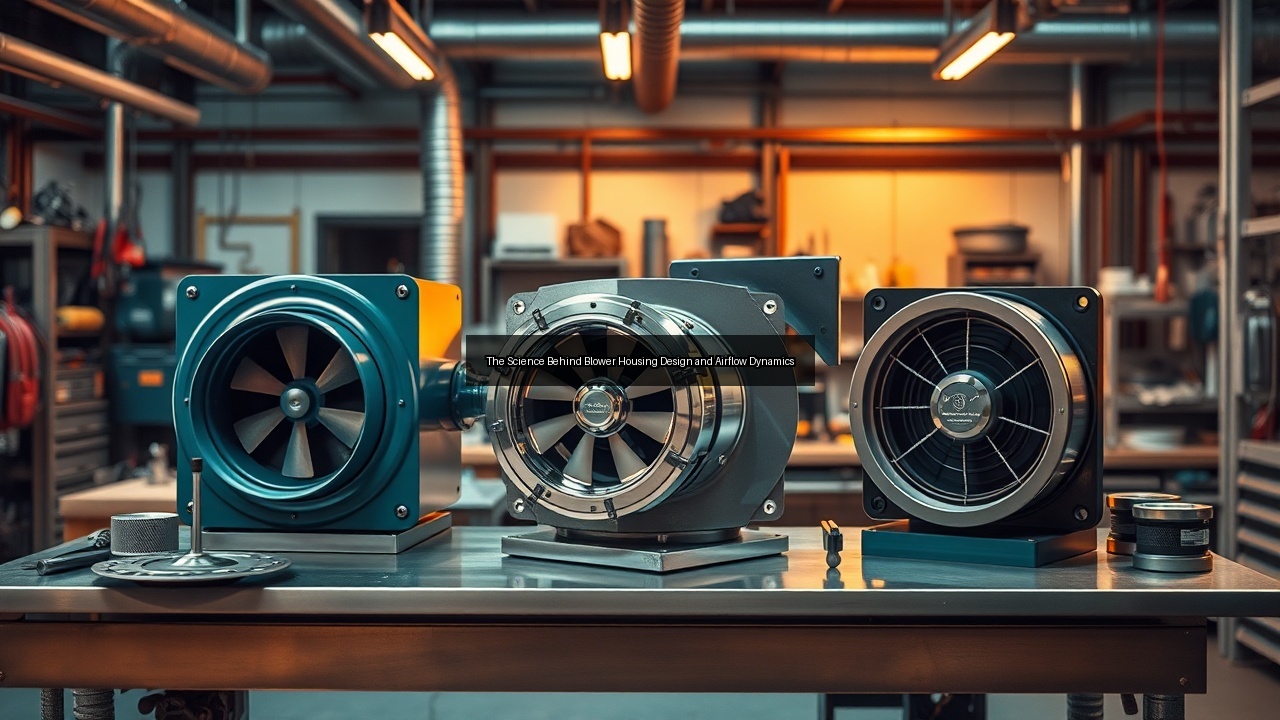
Understanding Blower Housing in HVAC Systems
The Role of Blower Fans in HVAC Systems
Blower fans serve as the heart of HVAC systems, playing a crucial role in circulating air throughout residential and commercial spaces. These fans are responsible for pulling air from the environment, filtering it through air filters, and distributing it efficiently. Whether cooling or heating, the blower fans maintain a consistent airflow that regulates indoor temperature and air quality. A properly functioning blower ensures that the HVAC system operates at peak efficiency, minimizing energy consumption and enhancing comfort. The design and placement of the blower housing significantly influence the airflow, making it essential to prioritize quality in these components.
Key Components of Blower Housing Assembly
The blower housing assembly consists of several key components that work together to facilitate optimal airflow. These include the blower motor, the blower fan itself, the housing structure, and air inlet and outlet ducts. The housing must be designed to minimize turbulence while maximizing airflow efficiency. Materials used for construction, such as galvanized steel or plastic, also play a role in durability and noise reduction. Each component must fit seamlessly within the assembly to prevent air leaks, which can reduce efficiency and impact overall HVAC performance. Understanding these components helps users appreciate the importance of quality blower housing in HVAC systems.
Types of Blower Motors and Their Applications
Blower motors come in various types, each designed for specific applications within HVAC systems. The two most common types are permanent split capacitor (PSC) motors and variable speed motors. PSC motors provide a consistent speed, making them ideal for standard heating and cooling applications. In contrast, variable speed motors adjust their speed based on demand, allowing for greater energy efficiency and improved comfort control. Additionally, some applications may require specialized motors, such as those with high torque for industrial settings. Selecting the right blower motor is crucial for maximizing performance and ensuring long-term reliability in HVAC systems.
Airflow Dynamics and Design Considerations
How Air Filters Impact Airflow Efficiency
Air filters play a vital role in maintaining airflow efficiency in HVAC systems. They capture dust, allergens, and other particles, ensuring clean air circulates throughout the space. However, the type and condition of the air filter can significantly impact airflow. High-efficiency particulate air (HEPA) filters, while effective at trapping small particles, may restrict airflow if not properly sized or maintained. Regularly replacing or cleaning filters is essential to prevent blockages, which can lead to increased strain on blower fans and reduced HVAC performance. Understanding the relationship between air filters and airflow dynamics can help users optimize their HVAC systems for better efficiency and indoor air quality.
The Importance of Cage Design in Blower Performance
The cage design, often referred to as the blower wheel or impeller, is a critical element in determining blower performance. An effective cage design allows for smooth airflow, reducing turbulence and maximizing efficiency. Various designs exist, such as forward-curved and backward-inclined cages, each offering different benefits. Forward-curved cages tend to produce higher airflow at lower speeds, making them suitable for residential applications. Backward-inclined cages, on the other hand, are more efficient at higher speeds and are often used in commercial settings. Selecting the appropriate cage design based on the intended application can enhance the overall performance of HVAC systems.
Optimizing Airflow for Furnaces and Air Conditioners
Optimizing airflow is crucial for the efficient operation of both furnaces and air conditioners. Properly sized ductwork, strategically placed vents, and effective blower housing design contribute to balanced airflow. Inadequate airflow can lead to inefficient heating or cooling, causing HVAC systems to work harder and consume more energy. Techniques such as zoning systems can further enhance airflow by directing conditioned air where it’s needed most. Regular maintenance checks can identify any restrictions or imbalances in airflow, ensuring that the HVAC system operates efficiently year-round. Implementing these strategies not only improves comfort but also extends the lifespan of HVAC equipment.
OEM Standards and Brand Comparisons
Evaluating Blower Housing Quality Across Brands
When selecting HVAC components, evaluating the quality of blower housing across brands becomes imperative. OEM (Original Equipment Manufacturer) standards often dictate the materials and construction methods used in blower housings. Higher-quality housings typically feature durable materials that withstand wear and tear, reducing the likelihood of issues like vibrations or noise. Additionally, reputable brands often provide detailed specifications and performance ratings, allowing consumers to make informed decisions. Comparing brands based on their adherence to OEM standards can lead to better long-term investments in HVAC systems, ensuring reliability and efficiency.
Warranty Considerations for HVAC Components
Warranties play a crucial role in the purchase of HVAC components, including blower housings. A comprehensive warranty not only reflects the manufacturer's confidence in their product but also provides peace of mind for consumers. Understanding the terms of the warranty, including coverage duration and what it includes, is essential. Some warranties may cover specific components, while others encompass the entire system. Choosing brands that offer robust warranty options can safeguard against unexpected repairs and maintenance costs, making it a key factor in the decision-making process for HVAC systems.
Feedback Mechanisms in Blower Motor Design
Feedback mechanisms in blower motor design enhance performance and efficiency. These systems continuously monitor the operation of the blower motor, adjusting its speed and power consumption based on real-time demands. Sensors detect changes in airflow, temperature, and pressure, allowing the motor to respond dynamically. This adaptability not only optimizes energy use but also extends the lifespan of the blower motor. Brands that incorporate advanced feedback mechanisms into their designs often produce HVAC systems that outperform traditional models, providing consumers with improved comfort and reduced energy costs.
Maintenance and Upgrades for Enhanced Performance
Choosing Ball Bearing vs. Sleeve Bearing Blowers
When considering blower upgrades, the choice between ball bearing and sleeve bearing blowers can significantly impact performance. Ball bearing blowers tend to offer greater durability and lower friction, allowing for quieter and more efficient operation. These blowers are ideal for high-use applications where longevity is crucial. Sleeve bearing blowers, while generally less expensive, may wear out faster and are more suitable for lower-demand environments. Evaluating the specific needs of the HVAC system will guide users in selecting the right type of blower that balances cost-effectiveness with performance longevity.
Common Issues in Blower Housings and Solutions
Blower housings can encounter various issues that affect HVAC performance. Common problems include vibrations, noise, and reduced airflow due to obstructions or wear. Regular inspections can identify these issues early, allowing for timely repairs or replacements. Additionally, ensuring that the blower housing is correctly installed and secured can prevent unnecessary vibrations. In cases of persistent issues, consulting a professional HVAC technician can provide insights into more complex problems that may require advanced solutions, such as realigning or replacing components within the housing.
Upgrading Your HVAC Blower for Better Efficiency
Upgrading an HVAC blower can significantly enhance system efficiency. Newer models often incorporate advanced technologies that improve energy consumption and airflow dynamics. When considering an upgrade, evaluate the compatibility of the new blower with existing HVAC components, including the blower housing and ductwork. Additionally, look for energy-efficient models that meet or exceed ENERGY STAR standards, which can lead to substantial savings on utility bills. Investing in a high-quality blower not only improves comfort but also contributes to the longevity of the entire HVAC system.
See Also
- A Comprehensive Guide to HVAC Blower Housing Assembly
- The Evolution of HVAC Blower Housing Designs Over the Years
- How Blower Housing Affects Noise Levels in HVAC Systems
- Troubleshooting Common Issues with Blower Fans and Housing
- Decoding the Components of Blower Housing for Better HVAC Functionality