Why Neoprene Mounts are Essential for High RPM HVAC Applications
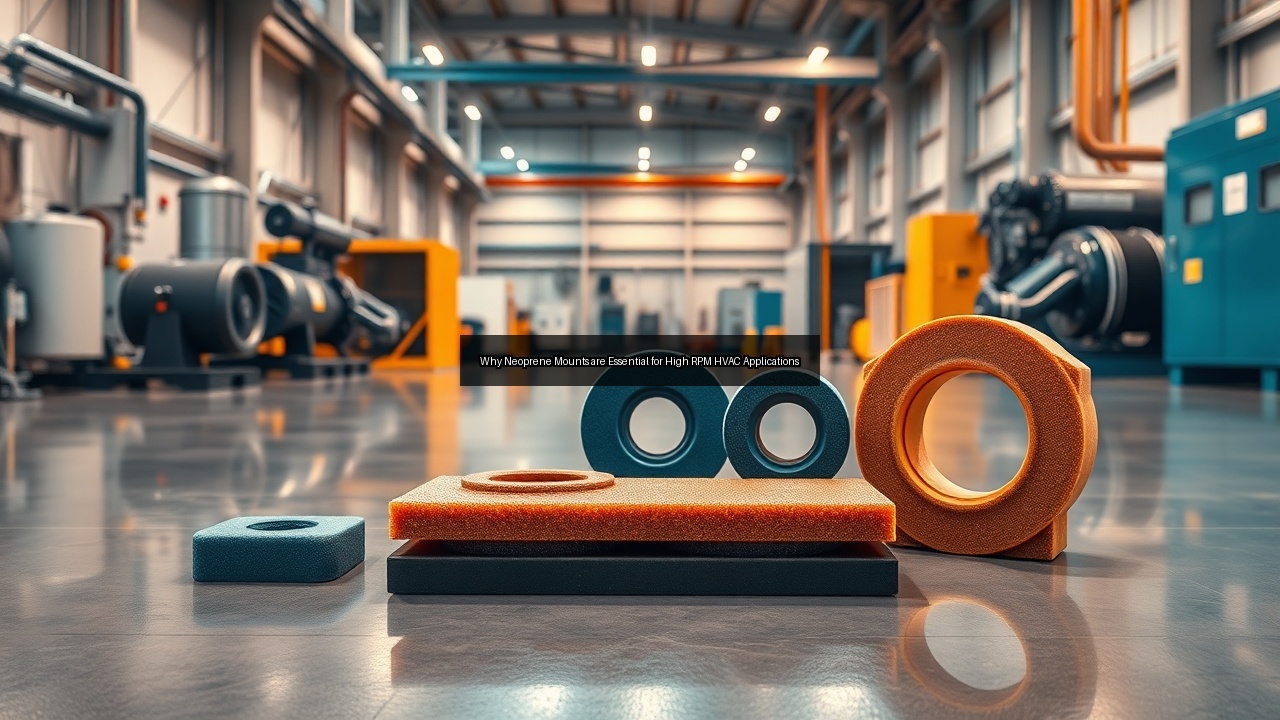
The Role of Neoprene Mounts in HVAC Systems
Understanding Vibration Isolation in HVAC
Vibration isolation plays a critical role in the efficiency and longevity of HVAC systems. HVAC systems, from compressors to belt drives, generate vibrations that, if left unmitigated, can lead to mechanical failures and increased noise levels. Neoprene mounts serve as effective vibration isolators, absorbing and dissipating energy produced by these components. This elastomeric material's unique properties minimize the transmission of vibrations to surrounding structures, ensuring smooth operation. By incorporating HVAC neoprene mounts, system designers enhance comfort levels within buildings and reduce wear and tear on machinery, ultimately leading to lower maintenance costs and improved reliability.
Benefits of Using Neoprene Over Other Materials
Neoprene offers several advantages over traditional materials like foam or rubber for HVAC applications. Its excellent shear resistance allows it to withstand the dynamic forces present in high RPM environments, making it ideal for mounting compressors and other high-speed components. Unlike foam, which can compress over time, neoprene maintains its structural integrity and elasticity, ensuring consistent performance. Furthermore, neoprene's resistance to oils, chemicals, and extreme temperatures extends its lifespan, making it a cost-effective choice for HVAC mounts. This durability translates into fewer replacements, reduced downtime, and enhanced system efficiency.
How Neoprene Mounts Enhance System Longevity
Incorporating neoprene mounts into HVAC systems significantly enhances their longevity. These mounts absorb vibrations and shocks, protecting sensitive components like tubings and clutches from premature failure. The flexibility of neoprene allows for slight misalignments, reducing stress on gears and ensuring smoother operation. Additionally, the use of neoprene vibration isolation mounts minimizes the risk of structural damage to the surrounding environment, including floors and walls. Over time, the reduction in vibrations leads to lower maintenance requirements, allowing HVAC systems to operate efficiently for extended periods without the need for frequent service interruptions.
High RPM Applications and Their Unique Challenges
Impact of RPM on Vibration and Noise
High RPM applications present unique challenges in HVAC systems, particularly regarding vibration and noise management. As the speed of mechanical components increases, so does the intensity of vibrations generated. This phenomenon can lead to excessive noise levels, compromising comfort in residential and commercial settings. Neoprene mounts effectively address these challenges by providing superior vibration isolation. Their design and material properties allow them to absorb and dampen vibrations, preventing them from propagating through the system and into the surrounding environment. This not only enhances performance but also contributes to a quieter operation, making HVAC systems more pleasant to use.
Importance of Shear Resistance in High RPM
Shear resistance becomes crucial in high RPM applications, where components experience significant lateral forces. Neoprene mounts excel in this aspect, offering robust shear strength that prevents slippage and displacement of mounted components. This quality is particularly important for compressors and belt drives, where any misalignment can lead to decreased efficiency and potential mechanical failure. By using neoprene mounts, HVAC engineers ensure that high-speed components remain securely in place, mitigating the risk of damage and enhancing overall system stability. The result is a more reliable HVAC system capable of handling the demands of high-speed operation.
Optimizing Performance of Compressors and Belt Drives
To optimize the performance of compressors and belt drives in high RPM HVAC applications, selecting the right mounts is essential. Neoprene mounts provide the necessary support and vibration isolation, ensuring these components operate efficiently. By absorbing vibrations and minimizing noise, neoprene mounts allow compressors to maintain optimal performance levels, extending their lifespan and reducing energy consumption. Moreover, the elasticity of neoprene helps dampen any shocks caused by sudden changes in operation, further protecting mechanical components. This synergy between mounts and system performance ensures that HVAC systems can meet the rigorous demands of modern applications.
Sustainability and Efficiency of Neoprene Mounts
Eco-Friendly Properties of Neoprene
Sustainability plays a vital role in today’s HVAC industry. Neoprene mounts contribute positively to environmental efforts due to their durability and longevity. Unlike some synthetic materials, neoprene is recyclable, which minimizes landfill waste. Companies can choose eco-friendly neoprene options that support sustainability goals without sacrificing performance. By integrating these mounts into HVAC systems, businesses not only improve operational efficiency but also demonstrate a commitment to environmentally responsible practices. This eco-conscious approach resonates with consumers and clients who prioritize green solutions in their purchasing decisions.
Comparing Neoprene with Foam and Other Materials
When comparing neoprene to foam and other materials, several factors come into play. While foam is lightweight and offers some vibration absorption, it lacks the shear strength and durability of neoprene. Foam can compress over time, leading to reduced effectiveness in vibration isolation. In contrast, neoprene retains its shape and performance attributes for years, making it a smarter investment for HVAC applications. Additionally, neoprene's resistance to oil and chemical exposure ensures that it outperforms many alternative materials in demanding environments. This comprehensive analysis highlights why HVAC professionals increasingly favor neoprene mounts in their designs.
The Role of Neoprene in Reducing Energy Consumption
Energy efficiency remains a priority in HVAC design, and neoprene mounts play a significant role in achieving this goal. By effectively isolating vibrations and reducing noise levels, neoprene helps maintain the optimal operating conditions for HVAC systems. This leads to decreased energy consumption, as equipment operates more efficiently without the added strain of excessive vibrations. Furthermore, the durability of neoprene means fewer replacements are necessary, reducing resource consumption over time. HVAC systems that utilize neoprene mounts achieve better performance and lower operational costs, aligning with both economic and environmental objectives.
Installation and Maintenance of Neoprene Mounts
Self-Adhesive Options for Easy Mounting
Self-adhesive neoprene mounts simplify installation processes for HVAC systems. These mounts eliminate the need for complex fittings and tools, allowing technicians to quickly and efficiently install them in various applications, including trucks and trailers. The adhesive backing provides a strong bond to surfaces, ensuring stability and reliability. This ease of installation minimizes downtime during system setup, allowing HVAC systems to become operational faster. Additionally, self-adhesive neoprene pads enable flexible mounting solutions, accommodating different configurations and layouts, which is especially beneficial in tight spaces.
Best Practices for Mount Installation in Trucks and Trailers
Proper installation of neoprene mounts in trucks and trailers ensures optimal performance and longevity. Begin by selecting the appropriate size and type of mount based on the specific application and load requirements. Clean the surfaces thoroughly to maximize adhesion, then apply the self-adhesive neoprene mounts securely. Ensure that the mounts align properly with the components they support, such as compressors or belt drives. Regularly inspect the mounts for signs of wear or degradation, as early detection can prevent costly repairs and maintain system efficiency. Following these best practices guarantees that HVAC systems in mobile applications operate smoothly and effectively.
Maintaining Vibration Isolators for Optimal Performance
Regular maintenance of neoprene vibration isolators is essential to ensure their continued effectiveness. Inspect mounts periodically for signs of wear, such as cracks or compression, which can indicate decreased performance. Clean them with appropriate non-abrasive materials to avoid damage. If any mounts show significant wear, replace them promptly to maintain the integrity of the HVAC system. By adopting a proactive maintenance strategy, HVAC professionals can ensure that neoprene mounts continue to provide optimal vibration isolation, enhancing system performance and longevity. A well-maintained system operates more efficiently, resulting in lower energy costs and extended service life.